
What is the Custom OEM Process of a Peptide Factory? How Long Does It Take from R&D to Shipping?
With the rapid expansion of the health and biotechnology industries, bioactive small-molecule peptides have become highly sought-after raw materials across the food, dietary supplement, and skincare sectors. For brand owners looking to collaborate with a professional peptide contract manufacturer, understanding the operational pipeline is essential. Two questions consistently dominate initial consultations: What does the custom OEM process actually look like? And how much time should be budgeted from the initial research and development (R&D) stage to the final product shipment?
Gaining a clear understanding of the manufacturing lifecycle not only allows brands to establish realistic product launch schedules but also ensures a transparent, risk-mitigated supply chain. A fully compliant and sophisticated peptide manufacturer typically structures its custom OEM services into four distinct, highly synchronized phases.
Phase 1: Requirements Consultations & Tailored Conceptualization (Approx. 3-7 Working Days)
Every successful project begins with precision alignment. During this initial stage, the factory's technical consultants and project managers collaborate closely with the brand team. The primary objective is to clarify the product's ultimate form (such as powder blends, liquid shots, capsules, or topical serums), functional ingredient targets, packaging configurations, and the regulatory frameworks of the target market. The engineering team evaluates technical feasibility, assesses ingredient compatibility, and provides a transparent, non-binding preliminary cost estimate based on commercial volume expectations.
Phase 2: R&D Formulation & Prototype Sampling (Approx. 7-15 Working Days)
Once the conceptual brief is signed off, the project moves to the laboratory. Because maintaining the structural integrity, biological activity, and stability of peptides requires profound chemical expertise, R&D scientists conduct pilot-scale formulations. Once a stable prototype is achieved, samples are dispatched to the brand for evaluation regarding sensory attributes, solubility, and physical stability. If adjustments are required based on client feedback, minor revisions are implemented, which may extend this phase slightly to guarantee absolute satisfaction before moving forward.
Phase 3: Regulatory Compliance Auditing & Packaging Sourcing (Approx. 10-20 Working Days)
In parallel with formulation finalization, rigorous regulatory cross-checks are initiated. Compliance teams review labeling copy, ingredient declarations, and claims to ensure absolute alignment with local and international food, drug, or cosmetic regulations, proactively avoiding misleading advertising risks. Simultaneously, the procurement and printing of primary and secondary packaging materials (such as custom-molded bottles, printed sachets, and outer boxes) are executed. Because customized packaging manufacturing requires specific tooling and lead times, it frequently represents the primary variable in the overall project timeline. Brands opting to supply their own packaging must ensure materials pass the factory’s incoming quality control (IQC) protocols upon arrival.
Phase 4: Mass Production, Quality Assurance & Logistics (Approx. 10-15 Working Days)
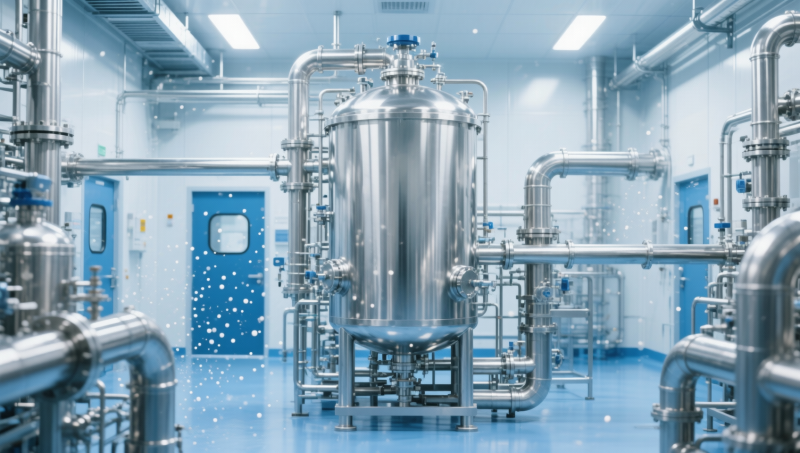
Upon the successful gathering and validation of all raw materials, packaging assets, and regulatory clearances, the project is scheduled for commercial-scale manufacturing within standard GMP-certified cleanrooms. The comprehensive production sequence involves precise raw material weighing, enzymatic hydrolysis or extraction, ultrafiltration, concentration, vacuum freeze-drying or spray-drying, and automated high-speed filling. In-process quality control (IPQC) specialists monitor critical control points at every step. Post-production, the finished batch undergoes final laboratory analysis covering microbial limits, heavy metal screening, and active peptide content assays. Products are authorized for warehouse release and logistics dispatch only after the official Certificate of Analysis (COA) is issued.
Timeline Insight: How Long Does the Complete Process Take?
When aggregating these highly technical stages under optimal conditions—assuming smooth prototype approval and timely packaging material delivery—the estimated time to launch a brand-new custom peptide product from scratch typically spans 30 to 55 working days. Conversely, for established formulations requiring re-orders, the timeline drops significantly to approximately 15 to 20 working days, as the initial R&D, sampling, and regulatory setup phases are bypassed. Partnering with a peptide manufacturer that possesses integrated supply chain capabilities and strict quality control systems is the most effective mechanism for brands to minimize transition friction, accelerate time-to-market, and secure a predictable product lifecycle.